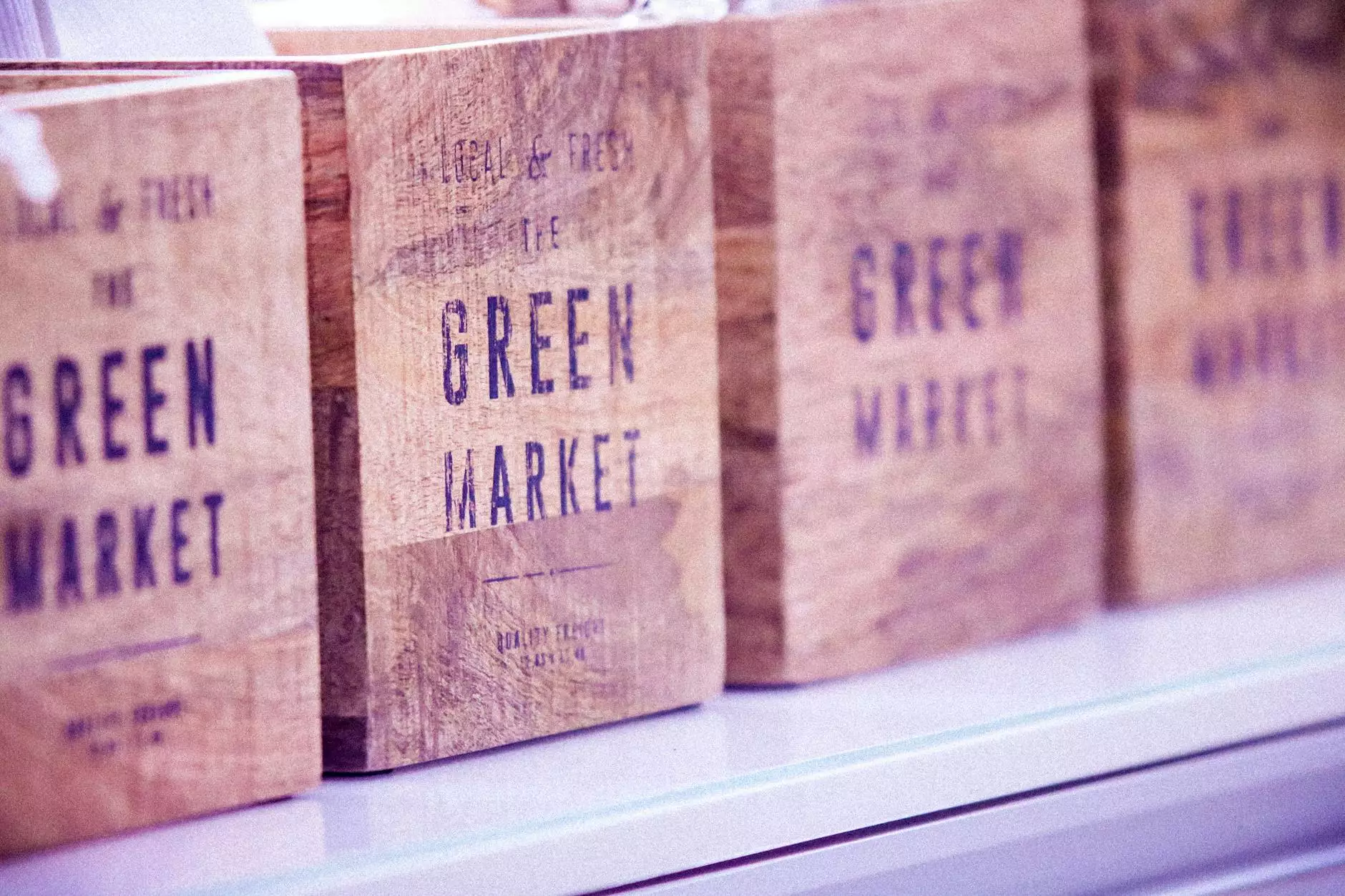
The Ultimate Wood Encyclopedia: Unlocking the Secrets of Timber in Business, Home & Interior Design

In the dynamic realm of business, home improvement, and interior design, understanding the vast and intricate world of wood is crucial. The wood encyclopedia serves as an indispensable resource that bridges the gap between raw timber and sophisticated applications, empowering professionals and enthusiasts alike to leverage the unique properties of different wood species for optimal results.
Why an Wood Encyclopedia is Essential for Modern Business and Design
As industries evolve and design aesthetics continually shift towards organic, natural elements, the importance of deep knowledge about wood has never been more vital. An wood encyclopedia consolidates exhaustive data on various wood types, their physical properties, aesthetic qualities, sustainability factors, and suitable application areas. This comprehensive understanding enables businesses to make informed decisions, ensuring quality, durability, and sustainability in their projects.
In-Depth Exploration of Wood Types in the Wood Encyclopedia
A key feature of the wood encyclopedia is the detailed profiling of hundreds of wood species. From common varieties like oak, pine, and cedar to rare and exotic species such as bubinga, teak, and zebrawood, each entry dives deep into:
- Origin and cultivation: Details about the geographic regions where the wood naturally occurs.
- Physical properties: Density, hardness, grain structure, and moisture content.
- Durability and resistance: Natural resistance to pests, decay, and environmental factors.
- Color, grain, and aesthetic qualities: Unique visual features that influence interior and exterior design choices.
- Sustainability aspects: Certifications like FSC, environmental impact, and harvesting practices.
- Applications: Suitable uses in furniture-making, flooring, cabinetry, veneer, and structural elements.
Understanding these facets aids businesses and designers in selecting the best wood for each project, balancing aesthetic desires with practical needs and sustainability considerations.
Practical Applications of Wood in Business and Interior Design
In the commercial and residential sectors, wood plays a pivotal role in creating functional, beautiful, and sustainable environments. The wood encyclopedia offers detailed insights into application-specific recommendations:
Furniture Manufacturing
From luxurious, hand-crafted pieces to mass-produced commercial furniture, the choice of wood affects durability, style, and cost. The encyclopedia guides users through:
- Selecting hardwoods like walnut or mahogany for high-end pieces.
- Using softwoods like pine for cost-effective, versatile furniture.
- Combining different woods for visual contrast and structural integrity.
Flooring & Wall Cladding
Wood flooring demands resilience and aesthetic appeal. The wood encyclopedia provides insights into:
- Hardwood options like oak and hickory for longevity.
- Engineered wood solutions for stability over concrete slabs.
- Finishing techniques that enhance grain and color.
Interior Decoration & Accents
In interior design, wood lends warmth and texture. The encyclopedia highlights:
- Veneers and inlays crafted from exotic woods.
- Decorative panels and grain accents.
- Sustainable and reclaimed wood options for eco-friendly projects.
The Role of Sustainability and Eco-Friendliness in Wood Selection
Modern markets prioritize sustainability, and the wood encyclopedia emphasizes this trend. It features certifications, harvesting practices, and environmentally responsible sources, empowering users to choose eco-friendly options that satisfy both aesthetic and ecological standards.
For example, FSC-certified woods guarantee responsible forestry, while reclaimed wood offers a stylish, environmentally conscious alternative. Awareness of these factors not only supports conservation efforts but also enhances brand reputation and customer trust.
Innovative Techniques and Trends in Wood Usage
The wood encyclopedia also covers emerging techniques such as:
- Engineered wood products like cross-laminated timber (CLT) for structural innovation.
- New finishing technologies that enhance longevity and visual appeal.
- Techniques for blending natural woods with synthetic materials for hybrid applications.
Staying abreast of these innovations ensures that businesses remain competitive and can incorporate cutting-edge solutions into their projects.
Technical Aspects and Maintenance of Wood Materials
The durability and visual appeal of wood depend heavily on proper maintenance. The wood encyclopedia provides comprehensive guidelines on:
- Proper cleaning and preservation techniques.
- Finishing methods that protect against moisture, scratches, and UV damage.
- Repair and refurbishment practices to extend the lifespan of wood products.
High-quality maintenance ensures that wooden structures and furnishings retain their value, beauty, and functionality over time.
Conclusion: Harnessing the Power of the Wood Encyclopedia for Better Business and Design Outcomes
In conclusion, the wood encyclopedia is more than a mere compendium of species and properties; it is a vital tool for informed decision-making across the entire spectrum of business, home, and interior design. By leveraging the in-depth knowledge contained within this resource, professionals and enthusiasts can:
- Select the perfect wood for each application based on rigorous data.
- Enhance sustainability efforts by understanding certification standards and harvesting practices.
- Innovate with new technologies and techniques to stay ahead in the market.
- Ensure long-lasting, aesthetically pleasing, and environmentally responsible projects.
Whether you are a furniture maker, interior decorator, construction specialist, or a passionate homeowner, mastering the insights provided by the wood encyclopedia can transform your approach to using timber. Embrace the world of wood with knowledge, confidence, and a commitment to sustainable excellence — and let your projects thrive with the timeless beauty and strength of natural material.